
(DB-411504)
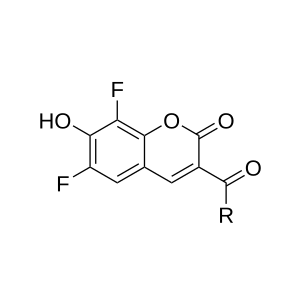
PBlue is a blue fluorescent dye that is structurally identical to Pacific Blue. Its bright fluorescence, high quantum yield, and strong signal at neutral pH make it an excellent choice for flow cytometry, fluorescence microscopy, and biomolecule labeling applications.
Its hydrophilic nature makes it an ideal choice for labeling sensitive proteins. PBlue is perfect for a variety of imaging applications, including confocal microscopy, flow cytometry (FACS), and labeling cell cultures and tissues.
PBlue Amine is water-soluble and can be conjugated to electrophiles. It can actively engage in enzymatic transamination reactions.

Package size
Key Parameters: Great brightness and pH stability with lower costs
Amine: Can be conjugated to electrophiles and can actively engage in enzymatic transamination reactions.
Applications: Confocal Microscopy, Super Resolution Microscopy, Flow Cytometry (FACS), cell cultures and tissue labeling
Lower Cost Alternative: Same Spectral Properties & Performance – Works exactly like Pacific Blue with friendly price.
Complete Compatibility – Can be used in any existing protocol that uses Pacific Blue
Pricing
Cat. no. | Quantity | Price | Lead Time |
|---|---|---|---|
DB-411504-1MG | 1 mg | 88 EUR | 1–2 days (CZ) / within 7 days (EU) |
DB-411504-5MG | 5 mg | 248 EUR | 1–2 days (CZ) / within 7 days (EU) |
DB-411504-10MG | 10 mg | 371 EUR | 1–2 days (CZ) / within 7 days (EU) |
DB-411504-25MG | 25 mg | 707 EUR | 1–2 days (CZ) / within 7 days (EU) |
DB-411504-50MG | 50 mg | 1194 EUR | 1–2 days (CZ) / within 7 days (EU) |
DB-411504-100MG | 100 mg | 1768 EUR | 1–2 days (CZ) / within 7 days (EU) |
General information
Shipping | Storage | Quality Control |
|---|---|---|
Room Temperature | Up to 24 months in -20 ℃ | HPLC (98 %+ purity) |
Optical Data of PBlue Amine
Name | Excitation (nm) | Emission (nm) | Extinction coefficient (ε) |
|---|---|---|---|
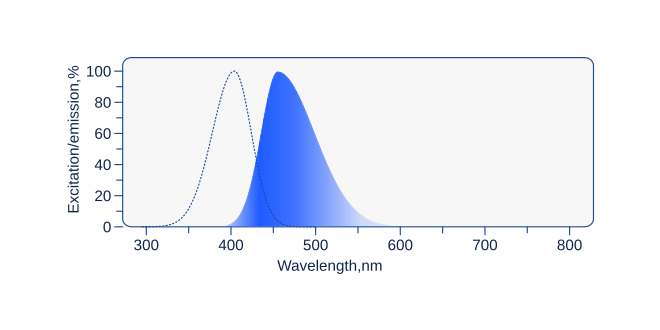
PBlue Amine | 404 | 455 | 46 000 |
Related products
Fluorescent Dyes
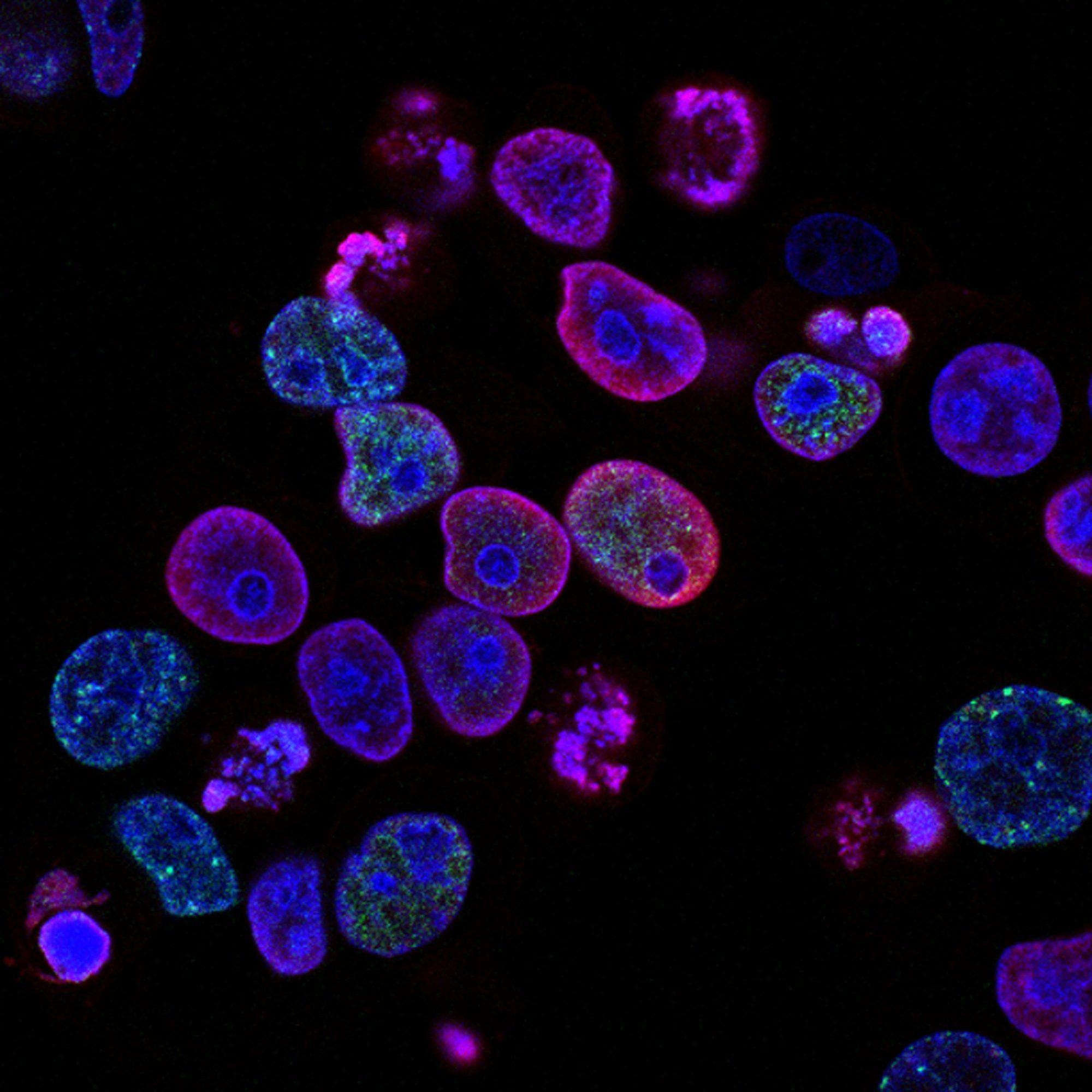
Our fluorescent dyes offer exceptional brightness, photostability, and versatility for your research. With identical structure to Alexa Fluor, Atto or Cy dyes, they provide the same spectral properties, quality, and reliability for a wide range of fluorescence-based applications. Whether you need precise antibody labeling, confocal and super resolution microscopy or sensitive flow cytometry detection, our fluorescent dyes ensure complete compatibility with existing protocols.
PBlue
PBlue is a blue fluorescent dye structurally identical to Pacific Blue™. Its bright fluorescence, high quantum yield, and strong signal at neutral pH make it an excellent choice for flow cytometry, fluorescence microscopy, and biomolecule labeling applications.
AF 700 Amine
AF 700 amine is near-infrared fluorescent dye that is structurally identical to Alexa Fluor 700. Its excellent photostability and low background fluorescence make it well suited for multicolor flow cytometry and other fluorescence-based applications. AF 700 is excited by standard 633-640 nm red lasers and enables sensitive detection while preserving visible-spectrum channels for multiplex experiments. AF 700 Amine is soluble in water and can be conjugated with electrophiles and participate in enzymatic transamination.
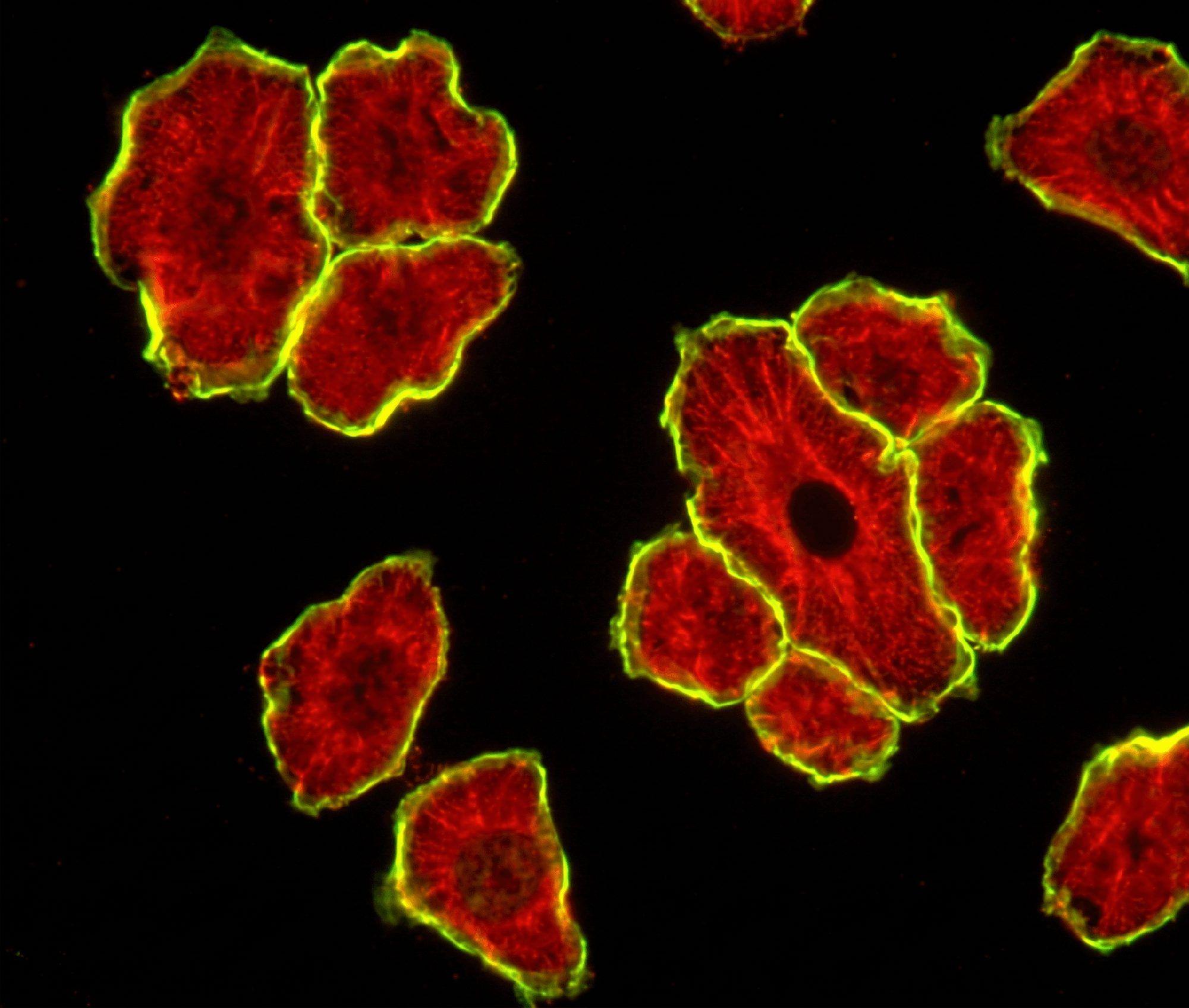
txRED Amine
txRED is an orange-red fluorescent dye that is structurally identical to Texas Red-X™. With its high photostability and quantum yield for single-molecule applications, it has become one of the most widely used fluorophores in life sciences. txRED is perfect for a variety of imaging applications, including confocal microscopy, flow cytometry (FACS), and labeling cell cultures and tissues. txRED Amine is water-soluble and can be conjugated to electrophiles. It can actively engage in enzymatic transamination reactions.

Cyanine 5.5 Amine
Cyanine 5.5 is a near infrared (NIR) fluorescent dye that is structurally identical to Cy5.5. Known for its exceptionally high extinction coefficient and emission in the NIR spectrum, it is a premier choice for researchers needing to push beyond the limits of standard visible fluorophores. Cyanine 5.5 Amine is water-soluble and can be conjugated to electrophiles. It can actively engage in enzymatic transamination reactions.

Cyanine 5 Amine
Cyanine 5 Amine is a far-red fluorescent dye that is structurally identical to Cy5. With its high photostability and quantum yield for single-molecule applications, it has become one of the most widely used fluorophores in life sciences. Cyanine 5 Amine is perfect for a variety of imaging applications, including confocal microscopy, flow cytometry (FACS), and labeling cell cultures and tissues. Cyanine 5 Amine is water-soluble and can be conjugated to electrophiles

AT 590 Amine
AT 590 amine is a bright orange-fluorescent dye that is structurally identical to Atto 590. With its high photostability and pH resistance, it has become one of the most widely used fluorophores in life sciences. Its hydrophilic nature makes it an ideal choice for labeling sensitive proteins. AT 590 Amine is soluble in water and can be conjugated with electrophiles and participate in enzymatic transamination.

AT 488 Amine
AT 488 amine is a bright green-fluorescent dye that is structurally identical to Atto 488. With its high photostability and pH resistance, it has become one of the most widely used fluorophores in life sciences. Its hydrophilic nature makes it an ideal choice for labeling sensitive proteins. AT 488 Amine is soluble in water and can be conjugated with electrophiles and participate in enzymatic transamination.

AF 555 Amine
AF 555 amine is a bright yellow-fluorescent dye that is structurally identical to Alexa Fluor 555. With its high photostability and pH resistance, it has become one of the most widely used fluorophores in life sciences. Its hydrophilic nature makes it an ideal choice for labeling sensitive proteins. AF 555 Amine is soluble in water and can be conjugated with electrophiles and participate in enzymatic transamination.

AF 647 Amine
AF 647 Amine is a bright far-red-fluorescent dye that is structurally identical to Alexa Fluor 647 Amine. With its high photostability and pH resistance, it has become one of the most widely used fluorophores in life sciences. AF 647 Amine is stable, intense fluorescence and is ideal for reliable, sensitive detection.

AF 594 Amine
AF 594 Amine is a bright red-fluorescent dye that is structurally identical to Alexa Fluor 594. With its high photostability and pH resistance, it has become one of the most widely used fluorophores in life sciences. AF 594 Amine is perfect for a variety of imaging applications, including confocal microscopy, flow cytometry (FACS), and labeling cell cultures and tissues

AF 568 Amine
AF 568 amine is a bright orange-fluorescent dye that is structurally identical to Alexa Fluor 568. With its high photostability and pH resistance, it has become one of the most widely used fluorophores in life sciences. Its hydrophilic nature makes it an ideal choice for labeling sensitive proteins. AF 568 Amine is soluble in water and can be conjugated with electrophiles and participate in enzymatic transamination.
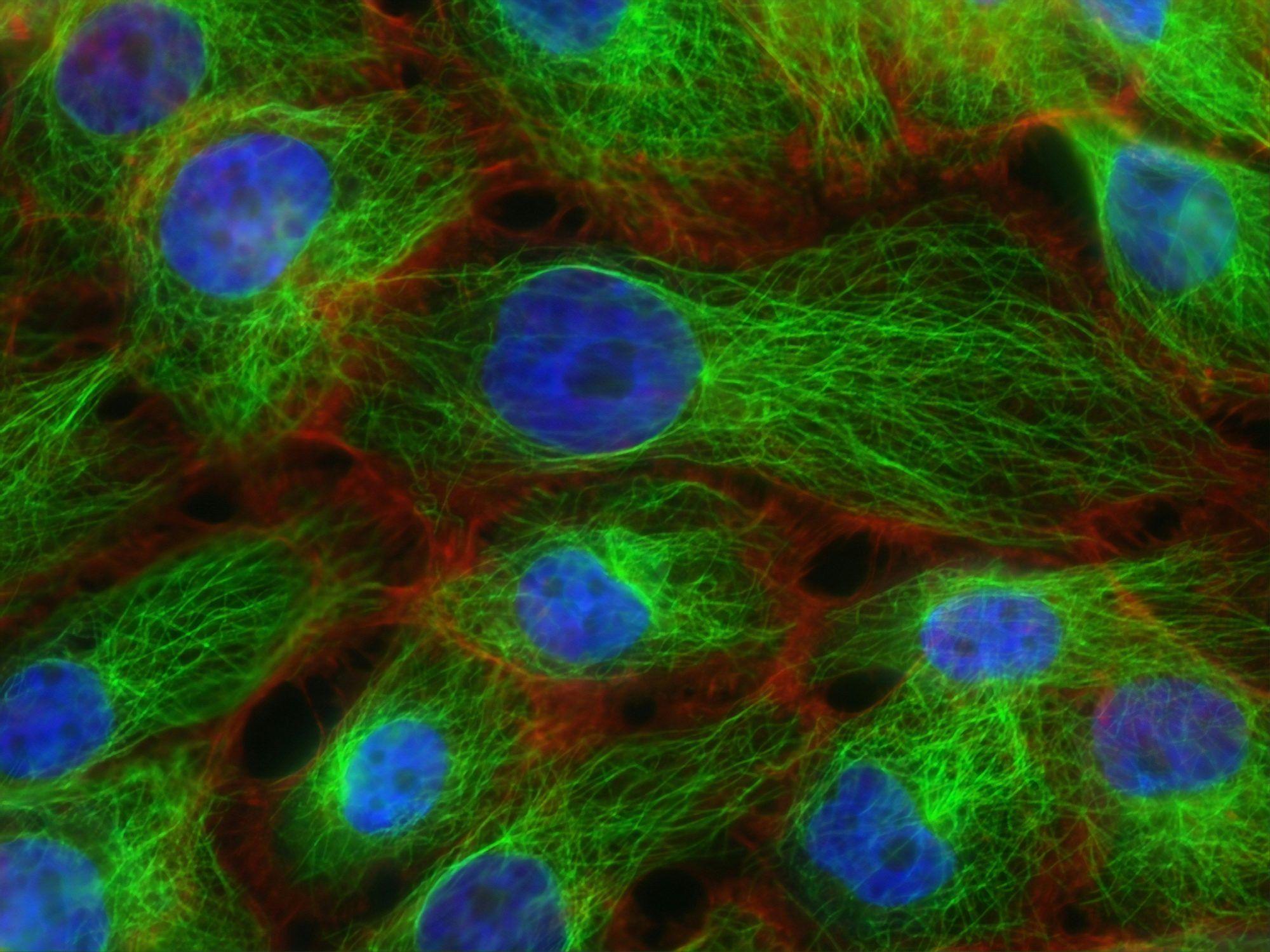
AF 488 Amine
AF 488 amine is a bright green-fluorescent dye that is structurally identical to Alexa Fluor 488. With its high photostability and pH resistance, it has become one of the most widely used fluorophores in life sciences. Its hydrophilic nature makes it an ideal choice for labeling sensitive proteins. AF 488 Amine is soluble in water and can be conjugated with electrophiles and participate in enzymatic transamination.

AF 350 Amine
AF 350 Amine is a blue fluorescent dye that is structurally identical to Alexa Fluor 350. With its high photostability and pH resistance, it is widely used in life science research. Its hydrophilic nature makes it an ideal choice for labeling sensitive proteins. AF 350 Amine is soluble in water and can be conjugated with electrophiles and participate in enzymatic transamination.
DIANA Biotechnologies | OEM Partnership

Contact our OEM Team
