
Sepsis is one of the major killers worldwide with millions of dead every year. The persisting issue in sepsis-causing pathogen diagnostics is the lack of fast and reliable solutions. The standard use of blood culture takes days and often leads to false negative results , which can end in wrong medication. Several PCR-based solutions are available on the market, however, neither managed to capture the market, often due to their insufficient sensitivity.
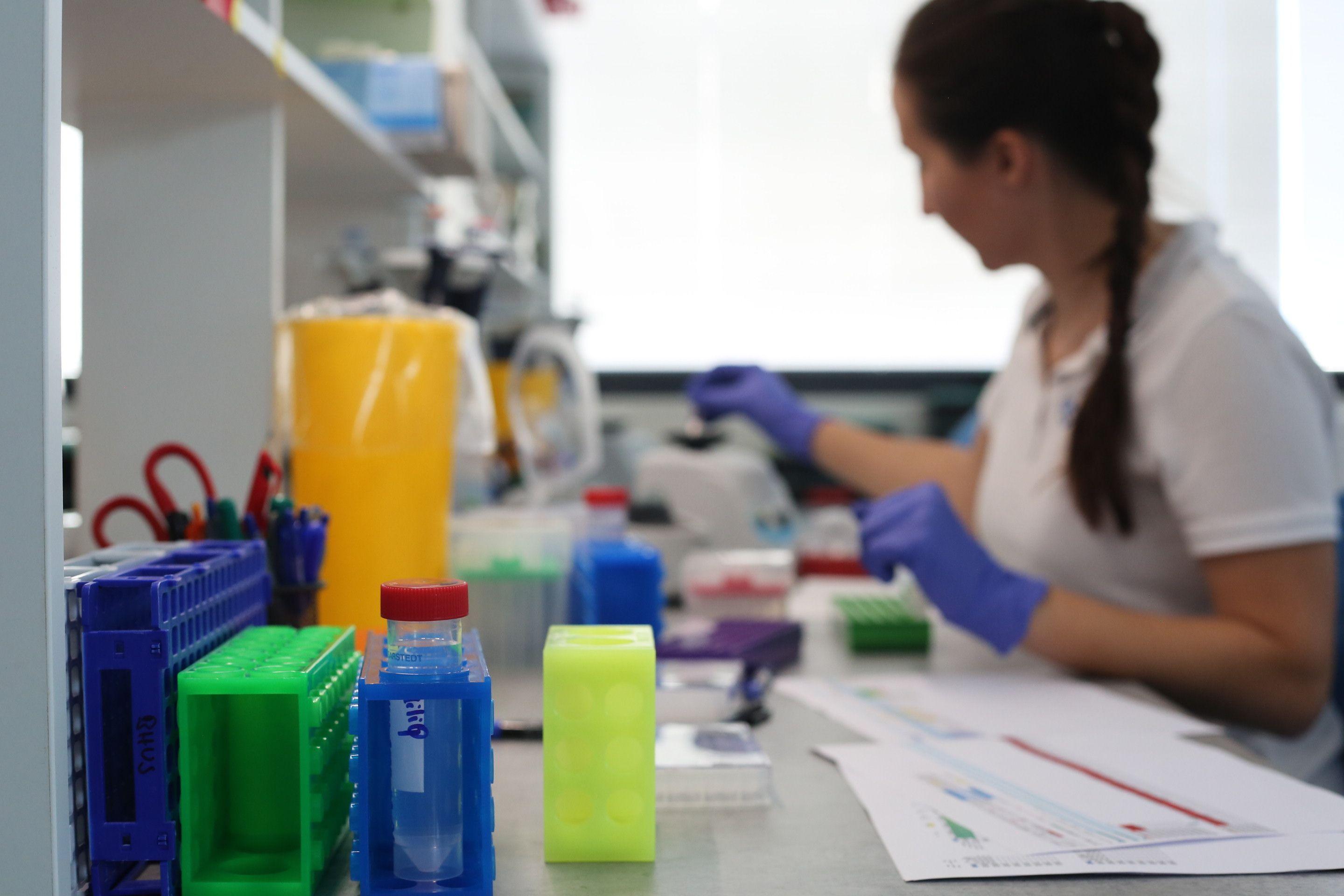
We managed to address the issues of PCR-based sepsis diagnostics and came with a new approach offering superfast solution with ultra sensitive testing!
Ultrasensitive Sepsis Diagnostics
Sepsis is a life-threatening condition caused by body's immune system extreme response to an infection, causing organ dysfunction. Early diagnostics is the key to successful treatment.

Sepsis Diagnostics
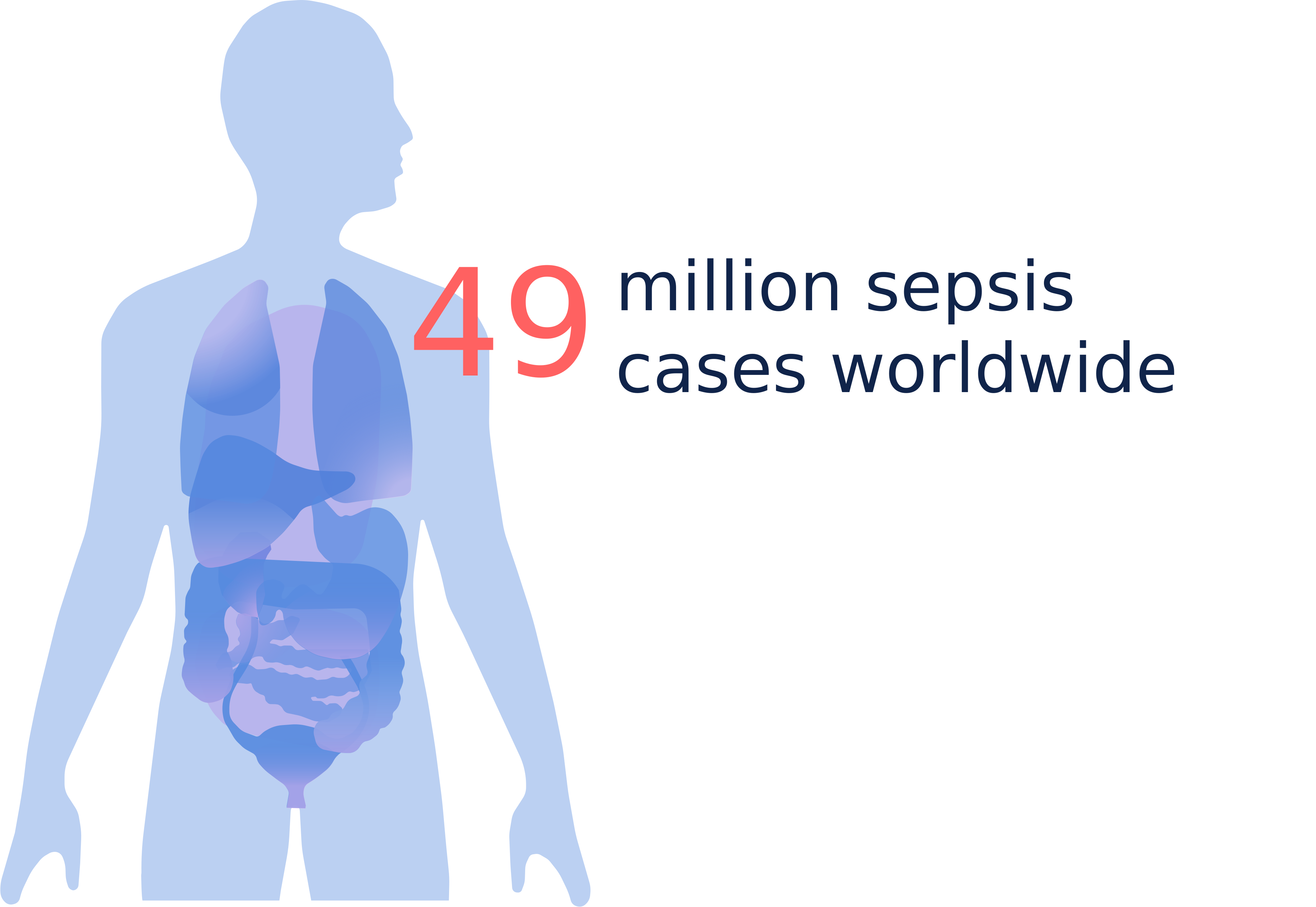
Sepsis remains a major global health challenge, with an estimated 49 million cases each year and approximately 11 million sepsis-related deaths accounting for nearly 20% of all global mortality. Beyond its staggering impact on survival, sepsis often leads to severe long-term consequences for those who recover. Many patients face prolonged hospital stays, a high risk of organ dysfunction, and lasting complications such as impaired immune function, chronic pain, cognitive decline, and reduced quality of life.
Sepsis Diagnostics
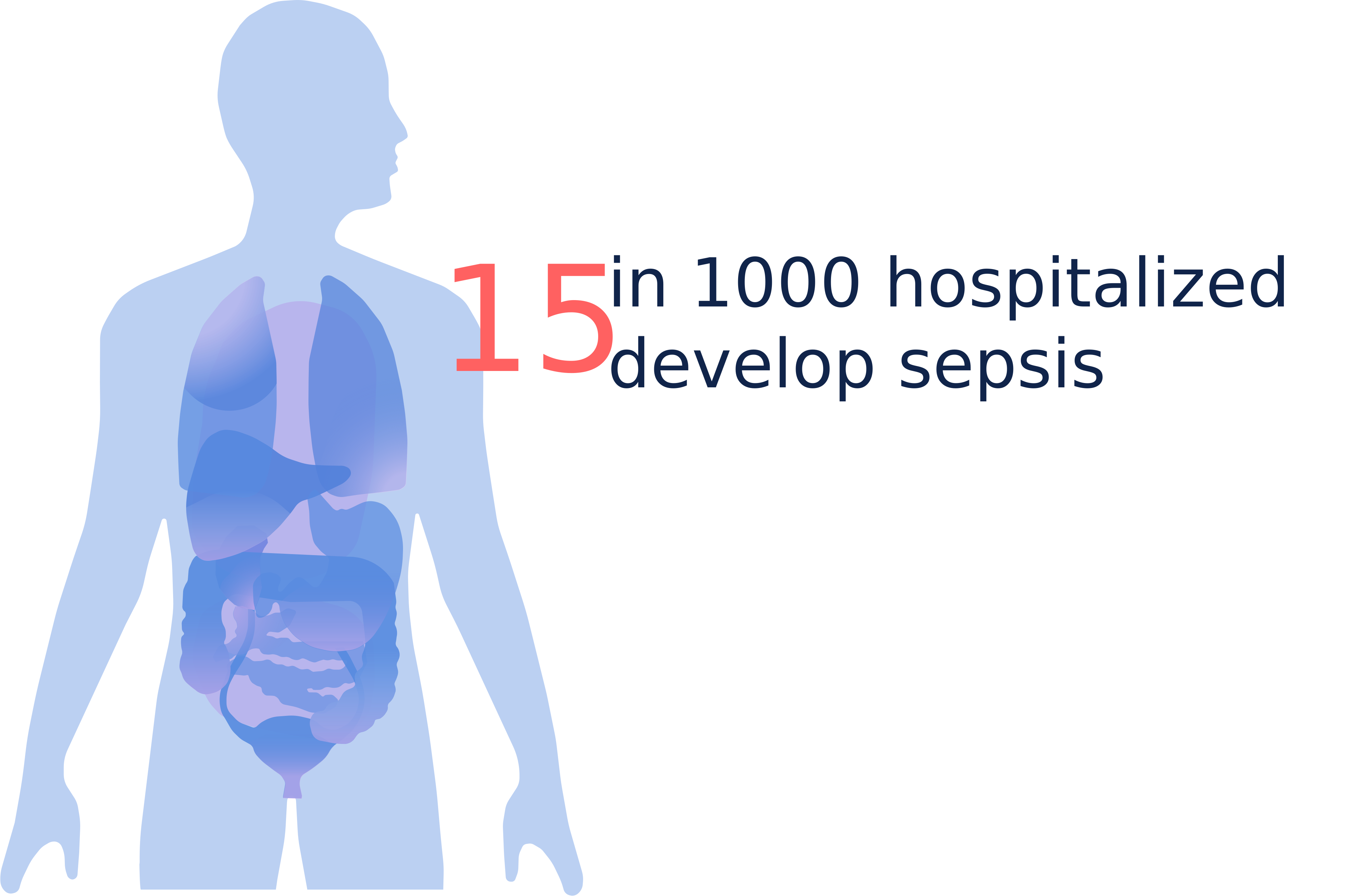
Sepsis is also a serious complication of medical care, affecting about 15 out of every 1,000 hospitalized patients only as a result of receiving healthcare. These cases often occur in vulnerable individuals and are frequently linked to multidrug-resistant pathogens. The outcomes are severe, such as longer hospital stays, higher costs, organ failure, and increased mortality, making prevention and early detection essential priorities in healthcare.
Sepsis Diagnostics
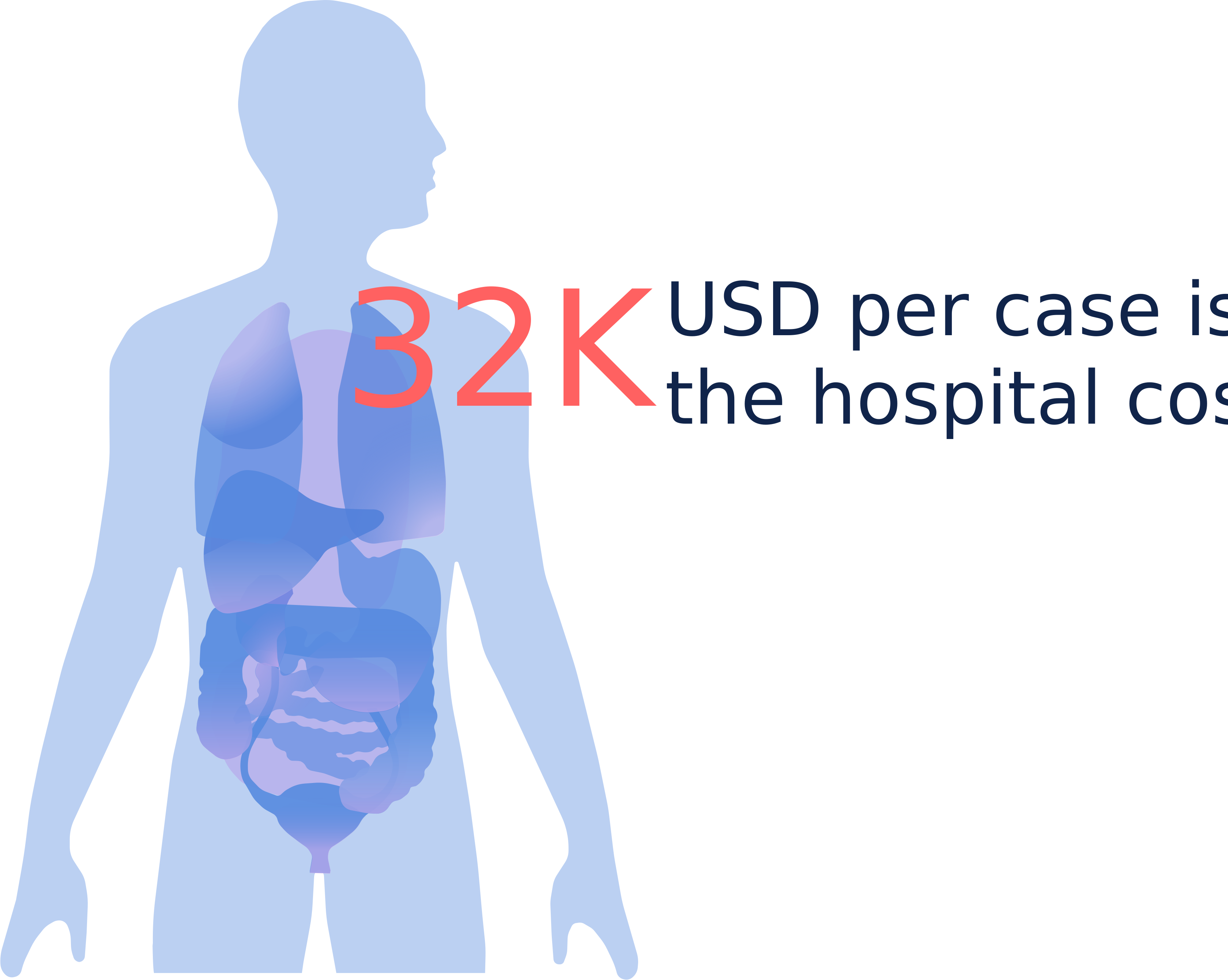
Sepsis is not only a life-threatening condition but also an immense economic burden. The average hospital cost per case is estimated at around 32,000 USD. Beyond the direct costs of intensive care and prolonged hospitalization, sepsis often leads to readmissions, rehabilitation needs, and long-term health problems, further straining patients, families, and healthcare systems.
Sepsis Diagnostics
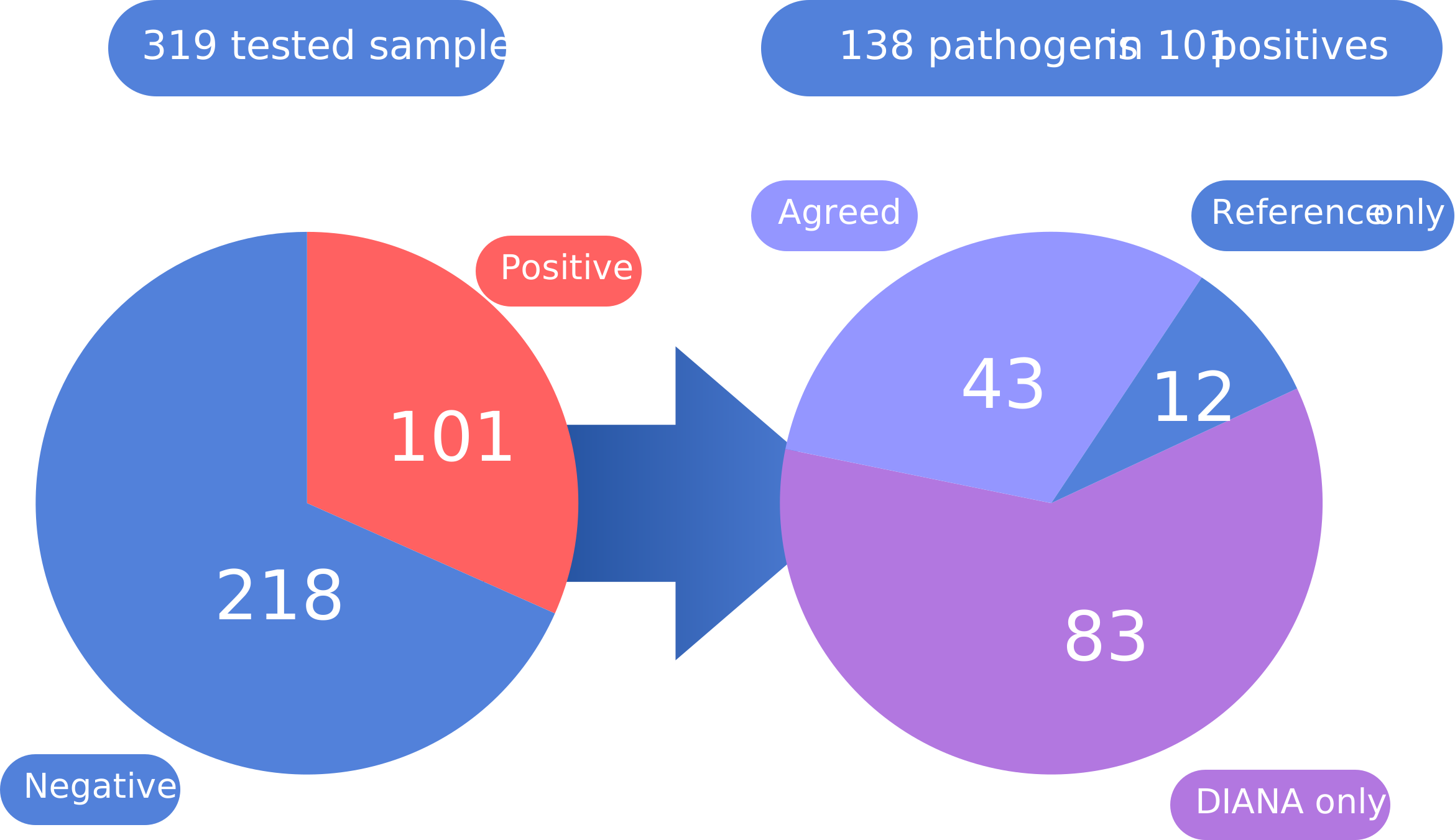
Gold standard in sepsis diagnostics is slow and limited in sensitivity, often leading to false-negative results, which delays and misleads critical decision-making. Yet, early recognition is vital, because every hour of delayed treatment increases the risk of death by about 8% in severe cases. Rapid and reliable diagnostics are therefore essential to improve survival and reduce the devastating impact of sepsis.
The diagnostics of sepsis is problematic because of lack of sensitivity and slow testing. Current techniques do not offer a market winning solution yet.
Common signs of sepsis include fever, fast heart rate, rapid breathing, confusion and body pain. It can lead to septic shock, multiple organ failure and death.
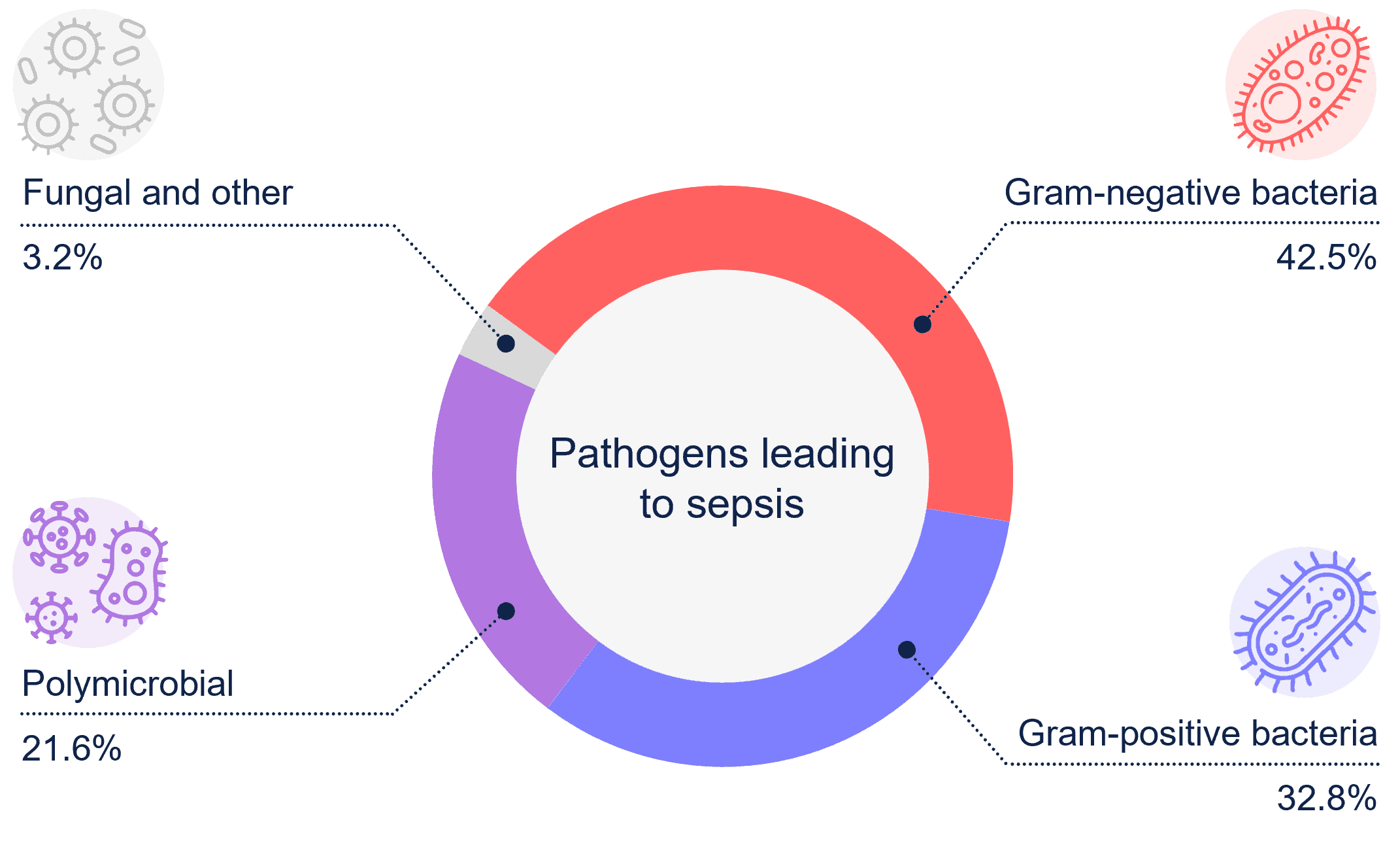
Sepsis is usually caused by bacterial infections but may be the result of other infections such as fungi and in rare cases by viruses or parasites.
Healthcare associated infections are caused by pathogens that are often resistant to drugs and can rapidly lead to deteriorating clinical conditions. Precise diagnostics and targeted antibiotic treatment are vital in such cases.
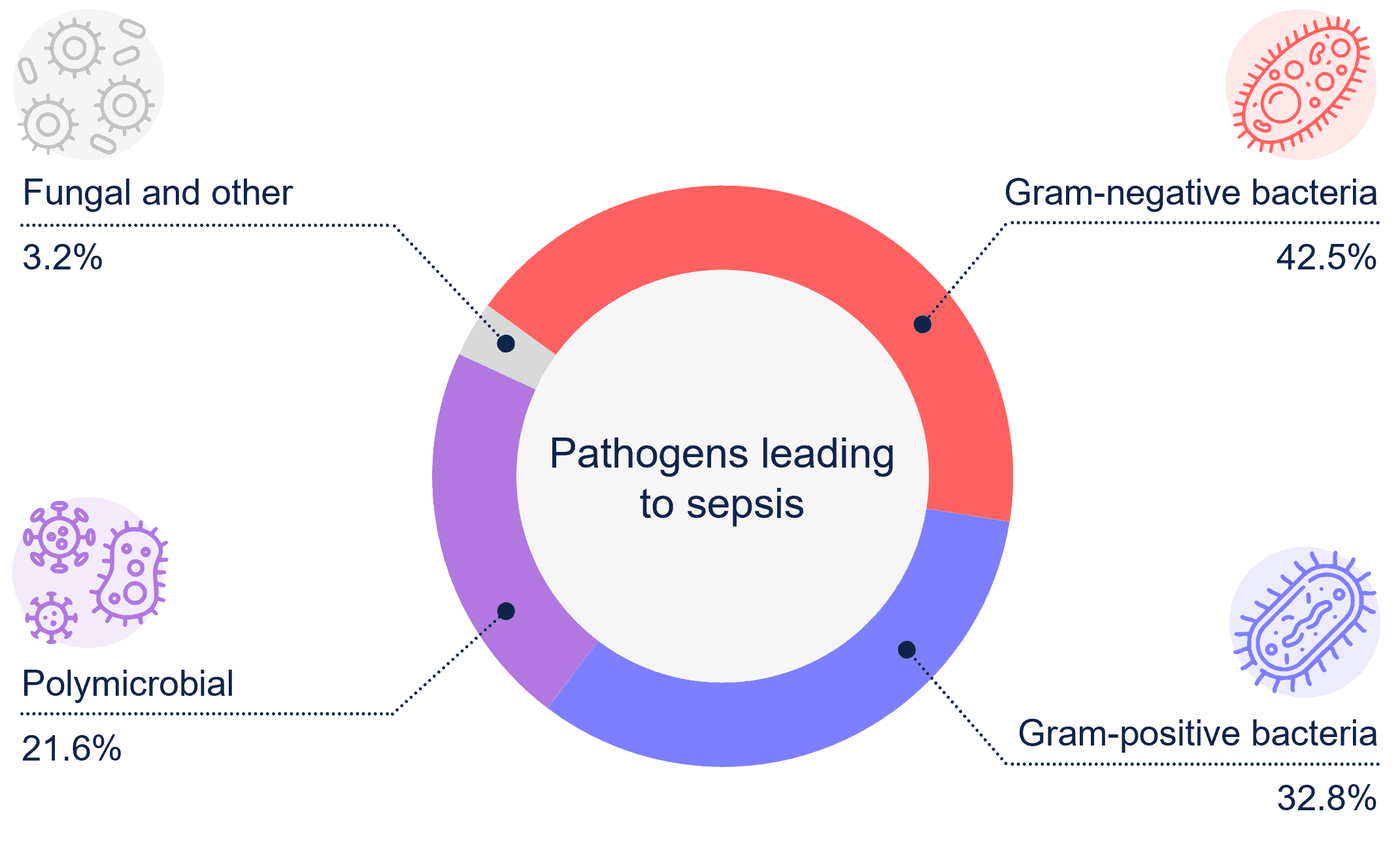
Escherichia coli, Staphylococcus aureus, Klebsiella pneumoniae and Pseudomonas aeruginosa are the most prevalent BSI (bloodstream infection) pathogens globally.
These four agents cause 55–68 % of all sepsis cases, depending on the geographical location.
Our proprietary qPCR-based technology offers an ultimate solution for ultrasensitive and fast sepsis diagnostics
We are aware of the ongoing issues with sepsis diagnostics and insufficient solutions on the market. Thanks to our strong RnD diagnostic team with experiences of developing our unique DIANA COVID-19 PCR kits, we were able to start developing a completely new solution how to diagnose sepsis faster with unmatched sensitivity.
We have established strong partnerships, which can help us to develop the complete diagnostic kit. We collaborate on the whole project with two major hospitals, FN Motol and FN Olomouc in the Czech Republic (TACR TREND PROJECT FW10010005). Collaborators collect clinical samples and test our approach directly on site.
Key Parameters

DIANA platform vastly increased sensitivity and signal-to-noise ratio without compromising specificity. All of this thanks to our assay design and proprietary PCR chemistry and enzymes.
Our semi-automated protocol is easily integrated with standard laboratory instruments. No need for large investments for implementation.
We can detect high number of targets from a single NA isolation. The initial proof-of-concept solution detects the top 4 pathogens. Additional pathogens are under development.
Available solutions are often too slow or have no information of specific pathogen. Other PCR solutions on the market suffer from low-sensitivity and need high additional investments.
Radim Svačina, PhD
Lead Scientist in Sepsis Diagnostics
INTERESTED IN COLLABORATION?

Co-CEO
Martin Dienstbier

Happy to get in touch